
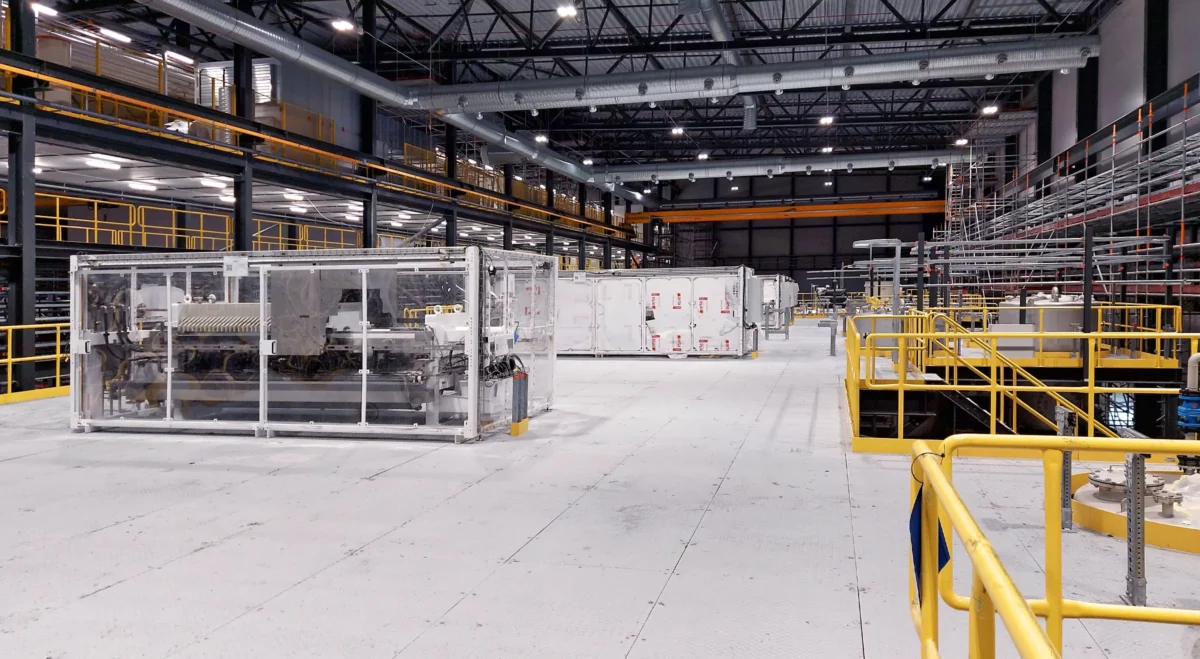
Battery recycling is one of the most complex process environments in modern industry. Media such as black mass, graphite and anode sludge, pCAM/CAM suspensions, NMC-containing sludge, as well as acid- and alkali-based leach solutions place exceptionally high demands on process stability, material resistance, and the quality of both filter cake and filtrate. Their properties often vary from batch to batch. They are fine-particle, abrasive, chemically reactive, and highly sensitive to process fluctuations.
In this environment, solid-liquid separation becomes a decisive factor for recovery rates, process reliability, and product quality.
MSE filter presses are engineered specifically for these applications. They master complex media through a combination of robust mechanics, precise process control, and a fully enclosed system architecture. The result is a filtration solution that integrates seamlessly into modern recycling processes stable, safe, and tailored to your specific requirements.
Media-oriented system design
Technology That Makes Variable Media Controllable
The composition of battery and metal-containing sludge is rarely constant. Fine particles fluctuate, viscosity changes during the process, particles respond sensitively to pressure profiles and pH values, while graphite and metal oxides place significant mechanical stress on the system.
To prevent this variability from becoming process uncertainty, MSE relies on a coordinated combination of:
01
precisely engineered chamber and membrane technology
02
defined cake post-treatment
03
highly resistant plates and frames
04
media-specific filter cloth designs
05
uniform and controlled pressure profiles
06
fully enclosed systems
07
digital process monitoring and evaluation
This system architecture ensures reproducible dewatering even for highly complex media whether black mass with solids contents of 1–20% or highly reactive, metal-containing leach suspensions.

What makes recycling processes stable
Filtration as a Key Element in Hydrometallurgical Processes
In hydrometallurgical recovery processes, filtrate quality directly affects the efficiency of every downstream stage. Precipitation and extraction processes are highly sensitive to residual solids, crystallization requires clear and analytically stable filtrate, while drying and downstream processing depend on the structural quality of the filter cake.
MSE filter presses deliver the precision required for defined and reproducible results:
- filter cake with dry substance content (DS) of 50–93%, depending on the medium
- filtrate containing less than 100 ppm suspended solids
- washing efficiencies of up to 97.5%
These values have been validated during more than 250 operating days using real battery and metal recycling media.
The result is reliable process stability that supports accurate downstream processing and contributes to maximizing overall recovery throughout the recycling process.

Emission-controlled filtration
Fully Enclosed System Architecture for Maximum Operational Safety
Processing battery materials requires the highest standards of emission control and occupational safety. Contact between aerosols, carbon dust, electrolyte residues, personnel, and the surrounding environment must be reliably prevented.
With the CellTRON enclosure, MSE filter presses introduce a significant advancement in filtration technology. The enclosure forms a completely closed system in which all media-contacting areas are safely contained and controlled.
Where required, the system can be further adapted for highly sensitive environments providing a decisive advantage when recycling and production processes operate in close proximity.
An integrated Clean-in-Place (CIP) system enables hygienic internal cleaning, reduces downtime, and protects all components from direct contact with the process media maximizing operational safety.

Intelligent control
Automation and Process Data as Quality Assurance
Modern recycling facilities require process steps that can be digitally monitored, documented, and reliably controlled.
The MSE AI:PureLogic platform continuously analyzes all relevant process parameters, including pressure profiles, conductivity, filling behavior, filter cloth condition, and filtrate quality.
The control system detects deviations at an early stage and automatically adjusts filtration, discharge, and washing processes.
The result is stable and reproducible process cycles even when media properties vary significantly.
Robustness as a design principle
Economic Efficiency Through Robust and Scalable Systems
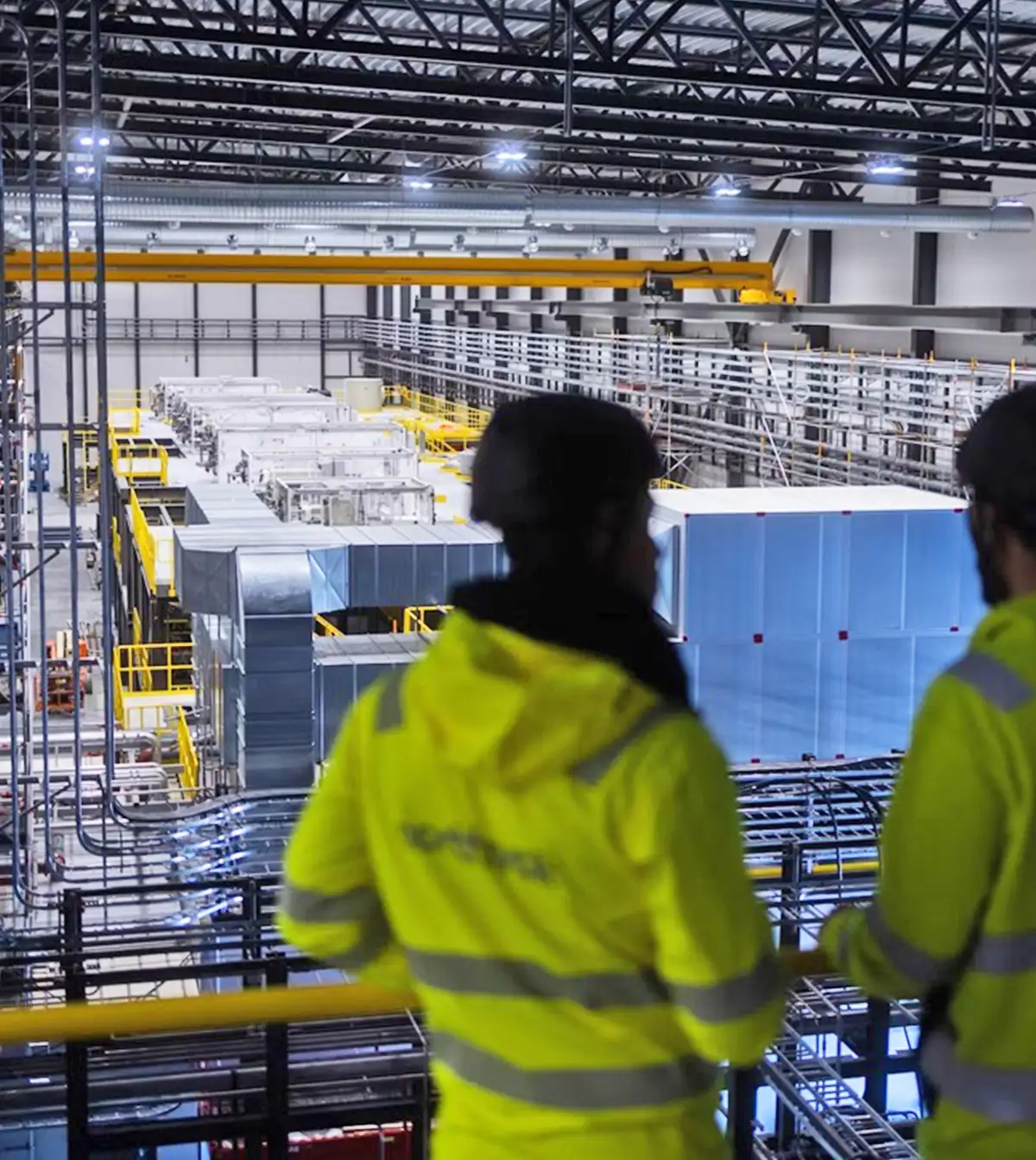
Filtration in battery and metal recovery applications requires systems that perform reliably from pilot plants to fully industrial production facilities.
MSE offers exceptional scalability:
- filter areas from 1 to 692 m² (larger dimensions available on request)
- chamber volumes up to 16,500 liters (larger dimensions available on request)
- operating pressures up to 30 bar
- system dimensions from 1.2 × 1 × 1 m up to 19 × 4.5 × 4 m
All systems are certified for worldwide installation and utilize internationally established automation platforms such as SIEMENS, ABB, and Allen Bradley.
Energy, compressed air, and water consumption are optimized for continuous operation, enabling a large proportion of process water to be recovered and reused.
Filtration as a structuring process element
A Process Step That Stabilizes the Entire Recycling Chain
Whether dewatering slurry after wet shredding or separating solids in hydrometallurgical black mass processes, stable filtration is essential for recovery rates, reaction quality, and resource efficiency.
MSE technology provides a clearly defined and reliable process step that structures the entire recycling chain making it predictable, reproducible, and economically efficient.
Further technical insights are available in the MSE technical article on solid-liquid separation in battery and metal recycling processes, as well as through the following resources:
Contact
Your Next Step
If you process graphite, anode, cathode, or NMC sludge, or other complex metal-containing suspensions, and require safe and reproducible filtration, MSE can help evaluate your current process conditions.
Together, we determine which dewatering concept best meets your technical and economic requirements.
Request Your Free Process Analysis Today
Our engineering team will provide you with an initial technical assessment of your process media and present tailored solution concepts.

The MSE Techletter
Find out all about the latest technologies, developments and valuable know-how about filtration technology – with our Techletter!
Inquiry Form
Your Process Requirements at a Glance
The more we know about your process medium and the relevant process parameters, the more accurately we can assess your filtration application. Simply provide the available information and supporting documents. We will review your requirements and get back to you to discuss the next steps and the appropriate technical solution.